
FIRST YEAR (ENGINEERING)
First year engineering is the foundation for all branches of engineering. The basic objective of the education of the engineering is to provide the technical education. A strong base can only bring a strong structure up. The Dept focuses on imparting scientific & technical knowledge in a manner that prepares the students to contribute effectively, intellectually and ethically as future citizen of engineering community to serve the society.
First year is the base for any engineering discipline. The department has a team of learned & experienced faculty. The faculty conduct result improvement programme for weak students alongwith parent – student counseling session. Best and intensive coaching is given to the students for achieving good results. The faculty uses various audio-visual aids effectively to make teaching interesting and productive.
Teaching Scheme
Syllabus
Academic Calendar
Quick Links
VISION:
To be recognized for excellence in academics, knowledge creation and creating socially responsible professionals.
MISSION:
- To develop ethical & professional values among students with societal and environmental concern.
- To encourage students to participate in co-curricular and extra-curricular activities leading to enhancement of their social and professional skills.
- Promoting Value Education through motivated trained faculty
- Maintaining Conducive Environment for education at affordable cost.
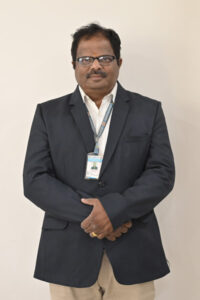
Dr. Manoj S. Motghare
H.O.D. First Year Engineering Department
Contact No:- +91-8767499961
Email id:- manojmotghare1@gmail.com
Qualification :- Ph.D in Mechanical Engg.,
M.Tech in Production Engg.
Teaching Experience : 24 Years
Industry Experience : 01 year
Approved by RTMNU,Nagpur (Nagpur University)
From The Head Of The Department
“Education is the movement from darkness to light” ……………..Allan Bloom
A warm welcome dear students ,to your journey as GWCET student in the department of First Year Engineering. The department will provide you excellent academic environment and an opportunity towards an successful Engineer. The department is having well qualified and experienced faculty members which are fully devoted for academic excellence and overall development of the students. The faculty members uses ICT tools and also blackboard teaching fro effective implementation of teaching learning process.
The department develops your foundation in filling the gap between School and engineering education ,the department also conducts different curricular and co-curricular activities for overall improvement of students in all fields in the journey to become a successful professional. I wish all students ,parents an successful year ahead .
First year department conducts academic programs as well as other programs like induction program, parent teacher meet, guardian teacher student meet are arranged once in a month
News & Updates
Dr. Manoj Motghare
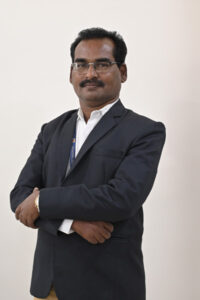
Dr. Chandrakant L Khobaragade

Dr. Pravin Krishnarao Gaidhane
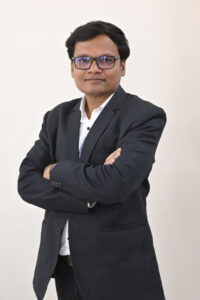
Prof. Pramod A. Humane

Prof. Nitin Kumbhare
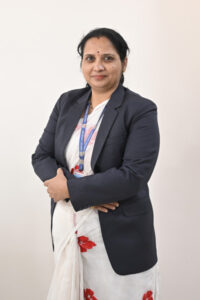
Prof. Sharda A. Ishwarkar
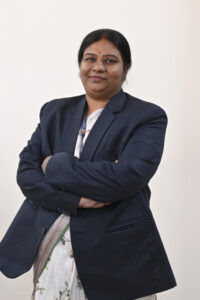
Prof. Jayshree A. Mahendra

Prof. Ramlal Goyte
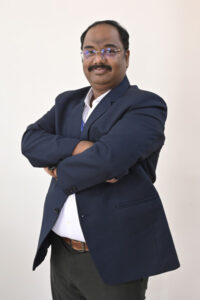
Prof. Roshan Likhar
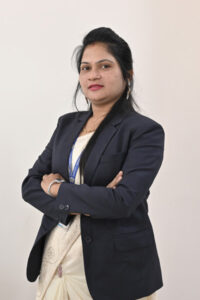
Dr. Gauri Nimje
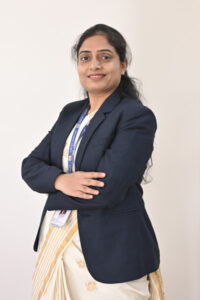
Prof. Bharti Gathe

Dr Sarang Daf

Please give Name

Mr Nikhil Raut

Prof Komal Shiwankar
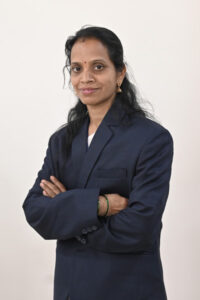
Prof Manisha Tijare
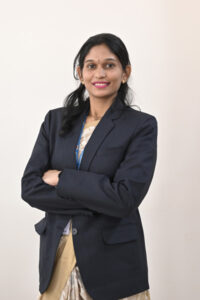
Prof Sakshi Borgaonkar
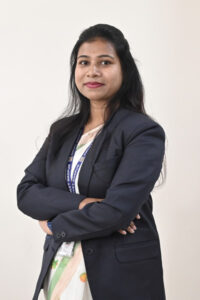
Prof Smita Bhakte

Prof Sneha Burde
Programme Outcomes (PO’s)
Engineering Graduates will be able to:
PO1. Engineering Knowledge: Apply the knowledge of mathematics, science, engineering fundamentals, and an engineering specialization to the solution of complex engineering problems.
PO2. Problem Analysis: Identify, formulate, review research literature, and analyze complex engineering problems reaching substantiated conclusions using first principles of mathematics, natural sciences, and engineering sciences.
PO3. Design/development of solutions: Design solutions for complex engineering problems and design system components or processes that meet the specified needs with appropriate consideration for the public health and safety, and the cultural, societal, and environmental considerations.
PO4. Conduct investigations of complex problems: Use research-based knowledge and research methods including design of experiments, analysis and interpretation of data, and synthesis of the information to provide valid conclusions.
PO5. Modern tool usage: Create, select, and apply appropriate techniques, resources, and modern engineering and IT tools including prediction and modeling to complex engineering activities with an understanding of the limitations.
PO6. The engineer and society: Apply reasoning informed by the contextual knowledge to assess societal, health, safety, legal and cultural issues and the consequent responsibilities relevant to the professional engineering practice.
PO7. Environment and sustainability: Understand the impact of the professional engineering solutions in societal and environmental contexts, and demonstrate the knowledge of, and need for sustainable development.
PO8. Ethics: Apply ethical principles and commit to professional ethics and responsibilities and norms of the engineering practice.
PO9. Individual and team work: Function effectively as an individual, and as a member or leader in diverse teams, and in multidisciplinary settings.
PO10. Communication: Communicate effectively on complex engineering activities with the engineering community and with society at large, such as, being able to comprehend and write effective reports and design documentation, make effective presentations, and give and receive clear instructions.
PO11. Project management and finance: Demonstrate knowledge and understanding of the engineering and management principles and apply these to one’s own work, as a member and leader in a team, to manage projects and in multidisciplinary environments.
PO12. Life-long learning: Recognize the need for, and have the preparation and ability to engage in independent and life-long learning in the broadest context of technological change.