Computer Science & Engineering(Poly)
The Department of Computer Science and Engineering (CSE) at Govindrao Wanjari College of Engineering & Technology (GWCET), Nagpur, stands as a centre of academic excellence, innovation, and technological advancement. Since its inception, the department has been committed to nurturing skilled engineers who are well-equipped to meet the challenges of the rapidly evolving digital.
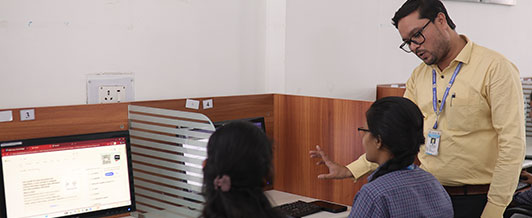
The department offers a comprehensive curriculum that combines strong theoretical foundations with practical learning. Students gain expertise in programming, data structures, database management systems, software engineering, artificial intelligence, machine learning, cloud computing, cybersecurity, data analytics, and emerging technologies. Well-equipped computer laboratories with modern software and high-speed internet provide an ideal environment for hands-on learning, research, and innovation.
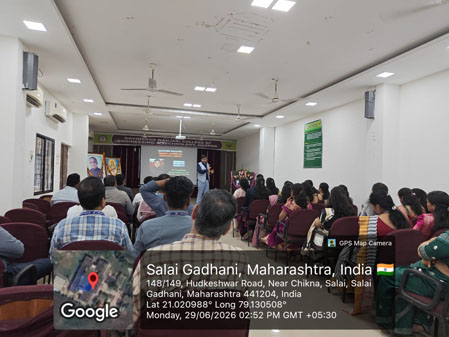
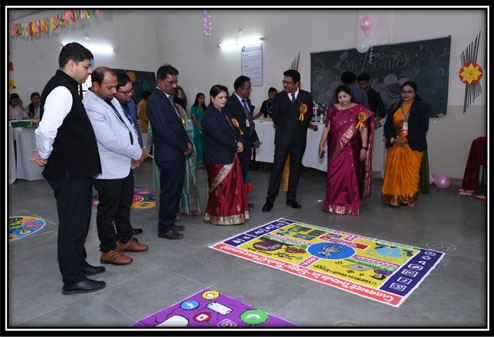
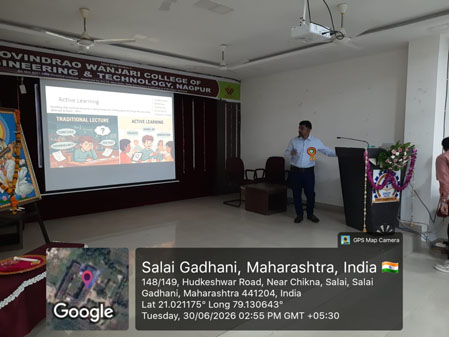
The CSE Department actively promotes experiential learning through workshops, coding competitions, hackathons, expert lectures, industrial visits, internships, and value-added certification programs. Students are encouraged to participate in national and state-level technical events, project exhibitions, research activities, and innovation challenges that enhance their technical competence and leadership qualities.
A team of dedicated and experienced faculty members continuously mentors students in academics, research, and professional development. The department also fosters industry interaction through collaborations, guest sessions by experts, and placement-oriented training programs, helping Students Bridge the gap between classroom learning and industry expectations.
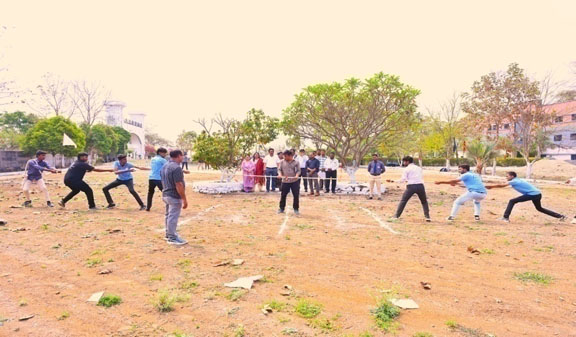
Beyond academics, the department encourages students to engage in social initiatives, technical clubs, entrepreneurship activities, and community outreach programs, promoting holistic personality development. The focus on innovation, teamwork, ethics, and lifelong learning prepares graduates to become responsible professionals and future leaders.
With a vision to create competent engineers and innovators, the Department of Computer Science and Engineering at Govindrao Wanjari College of Engineering & Technology continues to inspire excellence in education, research, and technology. The department remains dedicated to empowering students with the knowledge, skills, and values needed to contribute meaningfully to society and excel in the global technological landscape.
Teaching Scheme
Syllabus
Academic Calendar
Quick Links
VISION:
“To be a centre of excellence in Computer Science education, fostering skilled, innovative, and industry-ready diploma engineers with global competence and ethical values to serve society.”
MISSION:
1. To deliver outcome-based technical education through modern laboratories, practical exposure, and industry interaction.
2. To develop employability skills aligned with current and emerging technologies such as Artificial Intelligence, Data Science, and Cyber security.
3. To promote innovation, entrepreneurship, and incubation activities among students.
4. To inculcate professional ethics, teamwork, leadership, and social responsibility.
5. To encourage lifelong learning to adapt to rapidly changing technological environments.
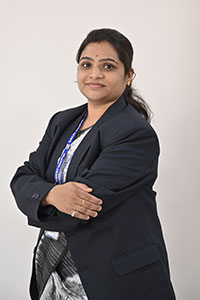
Mrs.Prachi Roshan Dhawad
H.O.D. Information Technology
Contact No:- +91-9850086032
Email id:- prachibnt108@gmail.com
Qualification :- BE(CSE),
M-tech pursuing(AI/ML)
Teaching Experience : 4 Years
Industry Experience : 1 Year
From The Head Of The Department
Welcome to the Department of Computer Science and Engineering (Polytechnic). Our department is committed to providing quality technical education that equips students with strong theoretical knowledge, practical skills, and ethical values. We strive to create an environment that encourages innovation, creativity, and lifelong learning.
Our dedicated faculty members, well-equipped laboratories, and industry-oriented curriculum help students develop the competencies required to excel in today’s rapidly evolving technological world. We encourage students to actively participate in academic, technical, and extracurricular activities to enhance their overall personality and employability.
I wish all our students a successful academic journey and a bright future in their chosen careers.
News & Updates
Mrs.Prachi Roshan Dhawad

Prof. Prashant Gumgaonkar
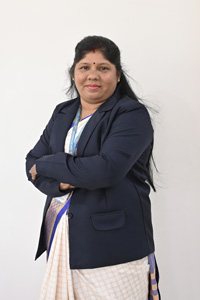
Prof. Vandana S. Choubey
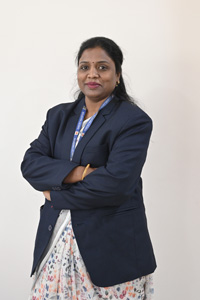
Prof. Shilpa Chindamwar

Prof. Prachiti Vilas Adghulkar
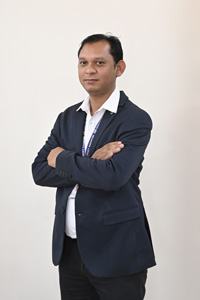
Prof Roger David
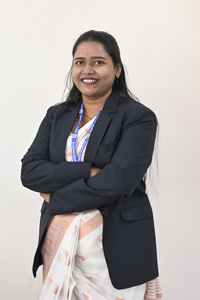
Prof Anagha Dharghawe
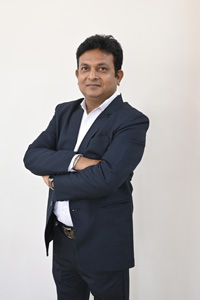
Prof Arvind Ganvir
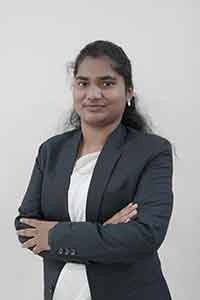
Prof. Sanika Gole
Programme Outcomes (PO’s)
PO1. Engineering Knowledge: Apply the knowledge of mathematics, science, engineering fundamentals, and an engineering specialization to the solution of complex engineering problems.
PO2. Problem Analysis: Identify, formulate, review research literature, and analyze complex engineering problems reaching substantiated conclusions using first principles of mathematics, natural sciences, and engineering sciences.
PO3. Design/development of solutions: Design solutions for complex engineering problems and design system components or processes that meet the specified needs with appropriate consideration for the public health and safety, and the cultural, societal, and environmental considerations.
PO4. Conduct investigations of complex problems: Use research-based knowledge and research methods including design of experiments, analysis and interpretation of data, and synthesis of the information to provide valid conclusions.
PO5. Modern tool usage: Create, select, and apply appropriate techniques, resources, and modern engineering and IT tools including prediction and modeling to complex engineering activities with an understanding of the limitations.
PO6. The engineer and society: Apply reasoning informed by the contextual knowledge to assess societal, health, safety, legal and cultural issues and the consequent responsibilities relevant to the professional engineering practice.
PO7. Environment and sustainability: Understand the impact of the professional engineering solutions in societal and environmental contexts, and demonstrate the knowledge of, and need for sustainable development.
PO8. Ethics: Apply ethical principles and commit to professional ethics and responsibilities and norms of the engineering practice.
PO9. Individual and team work: Function effectively as an individual, and as a member or leader in diverse teams, and in multidisciplinary settings.
PO10. Communication: Communicate effectively on complex engineering activities with the engineering community and with society at large, such as, being able to comprehend and write effective reports and design documentation, make effective presentations, and give and receive clear instructions.
PO11. Project management and finance: Demonstrate knowledge and understanding of the engineering and management principles and apply these to one’s own work, as a member and leader in a team, to manage projects and in multidisciplinary environments.
PO12. Life-long learning: Recognize the need for, and have the preparation and ability to engage in independent and life-long learning in the broadest context of technological change.
Programme Specific Objective (PSO’s)
PSO1: Apply standard practices for software project development using hands-on programming skills for analysis, design and creation of software solutions..
PSO2:Become entrepreneur and to pursue career in IT industries.
Programme Educational Objectives (PEOs)
The Graduates of Computer Science & Engineering will be able to-
PEO-1: To prepare students with latest skills in the field of software technologies supplemented with practical orientation to face challenges of modern computing industry..
PEO-2: To inculcate professional-social ethics, team work in students and acquaint them with requisite technical and managerial skills to attain a successful career.
PEO-3: To be able to continue their formal education and be accepted to relevant post- graduate degree programs and succeed in these studies.
Laboratories and Infrastructure
| Sr.No | Name of Lab | Lab Area | Subject |
| 1 | Python Lab | 81.12 Sq.m | Basic Python Programming,Data Base Management System |
| 2 | Linux Basics | 81.12 Sq.m. | Web Page Designing, Linux Basics,Operating System |
| 3 | Programming in C | 93.64626 Sq. m | Programming in ‘C’,Data Structure using C, Object oriented Programming |